



November 2024
Tuesday, 26 November 2024 00:00
How Ski Boots Can Cause Foot Pain
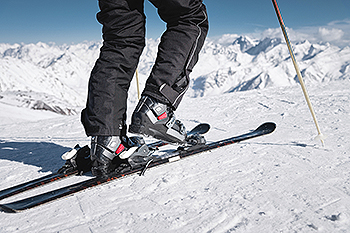
Poorly fitting ski boots can lead to foot pain, turning a fun day on the slopes into an uncomfortable experience. When the boot shape does not match your foot, pressure points develop, causing soreness and even bruising. An incorrect flex level can also strain the feet, with overly stiff boots restricting movement, and softer boots failing to offer needed support. Worn-out or packed-down soles worsen stability, increasing the risk of pain or injury. Improperly buckling the boots or wearing thick socks can also add unnecessary pressure, compressing the foot and restricting circulation. Choosing thinner, moisture-wicking socks helps with warmth and comfort without extra bulk. If you are having trouble with foot pain from your ski boots, a podiatrist can assist in helping you select the right ski boots, and perhaps provide custom orthotics to improve fit and support.
Sports related foot and ankle injuries require proper treatment before players can go back to their regular routines. For more information, contact Dr. Steven Schwartz of Pennsylvania. Our doctor can provide the care you need to keep you pain-free and on your feet.
Sports Related Foot and Ankle Injuries
Foot and ankle injuries are a common occurrence when it comes to athletes of any sport. While many athletes dismiss the initial aches and pains, the truth is that ignoring potential foot and ankle injuries can lead to serious problems. As athletes continue to place pressure and strain the area further, a mild injury can turn into something as serious as a rupture and may lead to a permanent disability. There are many factors that contribute to sports related foot and ankle injuries, which include failure to warm up properly, not providing support or wearing bad footwear. Common injuries and conditions athletes face, including:
- Plantar Fasciitis
- Plantar Fasciosis
- Achilles Tendinitis
- Achilles Tendon Rupture
- Ankle Sprains
Sports related injuries are commonly treated using the RICE method. This includes rest, applying ice to the injured area, compression and elevating the ankle. More serious sprains and injuries may require surgery, which could include arthroscopic and reconstructive surgery. Rehabilitation and therapy may also be required in order to get any recovering athlete to become fully functional again. Any unusual aches and pains an athlete sustains must be evaluated by a licensed, reputable medical professional.
If you have any questions please feel free to contact our offices located in Chambersburg, and Mcconnellsburg, PA . We offer the newest diagnostic and treatment technologies for all your foot and ankle needs.
Published in Blog
Tuesday, 19 November 2024 00:00
The Role of Caregivers in Diabetic Foot Care
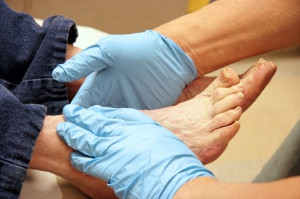
Caregivers play a critical role in assisting diabetic patients with foot care, significantly impacting ulcer prevention and overall health management. Daily foot checks are essential to catch early signs of problems like cuts, blisters, or calluses, which can quickly worsen in diabetic individuals. By regularly inspecting feet, caregivers help detect issues before they escalate, preventing complications that could lead to ulcers or infections. Education is another key aspect. Caregivers can reinforce proper foot care practices, including washing, moisturizing, and avoiding tight shoes. They may also assist with wound care, ensuring any cuts or sores are cleaned, dressed, and monitored. If you have diabetes, it is suggested that you ask for help, even from an informal caregiver, and schedule regular visits to a podiatrist for professional evaluations, toenail care, and customized care.
Diabetic foot care is important in preventing foot ailments such as ulcers. If you are suffering from diabetes or have any other concerns about your feet, contact Dr. Steven Schwartz from Pennsylvania. Our doctor can provide the care you need to keep you pain-free and on your feet.
Diabetic Foot Care
Diabetes affects millions of people every year. The condition can damage blood vessels in many parts of the body, especially the feet. Because of this, taking care of your feet is essential if you have diabetes, and having a podiatrist help monitor your foot health is highly recommended.
The Importance of Caring for Your Feet
- Routinely inspect your feet for bruises or sores.
- Wear socks that fit your feet comfortably.
- Wear comfortable shoes that provide adequate support.
Patients with diabetes should have their doctor monitor their blood levels, as blood sugar levels play such a huge role in diabetic care. Monitoring these levels on a regular basis is highly advised.
It is always best to inform your healthcare professional of any concerns you may have regarding your feet, especially for diabetic patients. Early treatment and routine foot examinations are keys to maintaining proper health, especially because severe complications can arise if proper treatment is not applied.
If you have any questions please feel free to contact our offices located in Chambersburg, and Mcconnellsburg, PA . We offer the newest diagnostic and treatment technologies for all your foot and ankle needs.
Published in Blog
Tuesday, 12 November 2024 00:00
The Odd Sensation of a Morton’s Neuroma
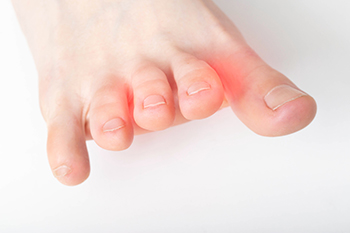
Morton’s neuroma, or interdigital neuroma, is a painful condition caused by the thickening of tissue surrounding one of the nerves in the midfoot, often between the third and fourth toes. This irritation results from nerve compression, frequently due to repetitive stress or pressure from wearing tight or high-heeled shoes. The condition can feel like a sharp, burning pain in the ball of the foot, often radiating to the toes. Some patients describe it as feeling as though they are standing on a pebble, or having a clicking sensation. Risk factors include high-impact activities like running, foot deformities such as bunions or flat feet, and poor footwear choices. Diagnosis often involves a physical exam, an ultrasound, or an MRI scan. Treatment ranges from modifying footwear and orthotics to corticosteroid injections or, in severe cases, surgical removal of the affected nerve tissue. If you have this odd and painful sensation in your foot, it is suggested that you schedule an appointment with a podiatrist for a proper diagnosis and treatment.
Morton’s neuroma is a very uncomfortable condition to live with. If you think you have Morton’s neuroma, contact Dr. Steven Schwartz of Pennsylvania. Our doctor will attend to all of your foot care needs and answer any of your related questions.
Morton’s Neuroma
Morton's neuroma is a painful foot condition that commonly affects the areas between the second and third or third and fourth toe, although other areas of the foot are also susceptible. Morton’s neuroma is caused by an inflamed nerve in the foot that is being squeezed and aggravated by surrounding bones.
What Increases the Chances of Having Morton’s Neuroma?
- Ill-fitting high heels or shoes that add pressure to the toe or foot
- Jogging, running or any sport that involves constant impact to the foot
- Flat feet, bunions, and any other foot deformities
Morton’s neuroma is a very treatable condition. Orthotics and shoe inserts can often be used to alleviate the pain on the forefront of the feet. In more severe cases, corticosteroids can also be prescribed. In order to figure out the best treatment for your neuroma, it’s recommended to seek the care of a podiatrist who can diagnose your condition and provide different treatment options.
If you have any questions, please feel free to contact our offices located in Chambersburg, and Mcconnellsburg, PA . We offer the newest diagnostic and treatment technologies for all your foot care needs.
Published in Blog
Friday, 08 November 2024 00:00
Reminder: When Was the Last Time...?

Custom orthotics, or shoe inserts, should be periodically replaced. Orthotics must fit properly to give you the best results. Protect your feet and ankles!
Published in Blog
Tuesday, 05 November 2024 00:00
Symptoms of a Sprained Ankle

A sprained ankle occurs when the ligaments that support the ankle are stretched or torn, often due to sudden twists, falls, or awkward landings. This common injury can happen during sports, physical activities, or even everyday movements. Symptoms typically include swelling, bruising, pain, and difficulty bearing weight on the affected foot. Initial treatment often includes rest and elevation, which can help reduce swelling and pain. However, if you experience severe pain, significant swelling, or have difficulty walking, it is important to seek medical attention. A podiatrist may recommend imaging tests to assess the severity of the sprain and could suggest a walking boot, targeted exercises, or even surgery, in more severe cases. If you are experiencing persistent symptoms or difficulty moving your ankle, it is suggested you schedule an appointment with a podiatrist for a thorough evaluation and tailored treatment options.
Although ankle sprains are common, they aren’t always minor injuries. If you need your ankle injury looked at, contact Dr. Steven Schwartz from Pennsylvania. Our doctor can provide the care you need to keep you pain-free and on your feet.
How Does an Ankle Sprain Occur?
Ankle sprains are the result of a tear in the ligaments within the ankle. These injuries may happen when you make a rapid shifting movement while your foot is planted. A less common way to sprain your ankle is when your ankle rolls inward while your foot turns outward.
What Are the Symptoms?
- Pain at the sight of the tear
- Bruising/Swelling
- Ankle area is tender to touch
- In severe cases, may hear/feel something tear
- Skin discoloration
Preventing a Sprain
- Wearing appropriate shoes for the occasion
- Stretching before exercises and sports
- Knowing your limits
Treatment of a Sprain
In many cases, the RICE method (Rest, Ice, Compression, and Elevate) is used to treat ankle sprains. However, you should see a podiatrist to see which treatment option would work best with your injury. In severe cases, surgery may be required.
It is important to ask your doctor about rehab options after you receive treatment for your injury. Stretching, strength training, and balance exercises may help the ankle heal while also preventing further injury.
If you have any questions, please feel free to contact our offices located in Chambersburg, and Mcconnellsburg, PA . We offer the newest diagnostic and treatment technologies for all your foot care needs.
Published in Blog



 Steven Schwartz - Default