



Blog - Foot Doctor, Chambersburg and McConnellsburg, PA
Tuesday, 17 October 2023 00:00
Suggested Footwear Options for Diabetics
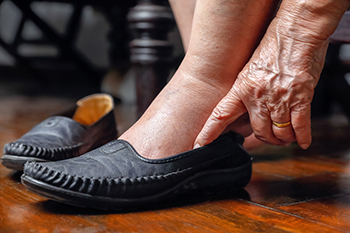
Diabetic foot complications can be debilitating, but choosing the appropriate footwear can help to manage the symptoms. Diabetic shoes are specially designed with extra depth and a roomy toe box to accommodate custom orthotics or insoles. These shoes are typically made from soft, breathable materials to minimize friction and pressure points, as well as reduce the risk of blisters, calluses, and ulcers. Diabetic shoes often feature seamless interiors and come with supportive arches and cushioned insoles for added comfort. Custom orthotics, prescribed by a podiatrist, are designed to provide personalized support for your unique foot structure and gait. These can be placed inside your regular shoes or diabetic shoes, offering stability, shock absorption, and pressure relief where needed. Extra-wide shoes are a good choice, as they offer ample room for the feet without causing pressure or constriction. Shoes with adjustable closures, such as Velcro straps or laces, can provide a secure fit without excessive tightness. Many people choose to wear diabetic socks, which are generally made from moisture-wicking materials to keep your feet dry and comfortable. They typically have seamless construction to minimize friction and reduce the risk of blisters and ulcers. If you have foot conditions caused by diabetes, it is suggested that you are under the care of a podiatrist who can monitor and manage any problems that may occur.
Diabetic foot care is important in preventing foot ailments such as ulcers. If you are suffering from diabetes or have any other concerns about your feet, contact Dr. Steven Schwartz from Pennsylvania. Our doctor can provide the care you need to keep you pain-free and on your feet.
Diabetic Foot Care
Diabetes affects millions of people every year. The condition can damage blood vessels in many parts of the body, especially the feet. Because of this, taking care of your feet is essential if you have diabetes, and having a podiatrist help monitor your foot health is highly recommended.
The Importance of Caring for Your Feet
- Routinely inspect your feet for bruises or sores.
- Wear socks that fit your feet comfortably.
- Wear comfortable shoes that provide adequate support.
Patients with diabetes should have their doctor monitor their blood levels, as blood sugar levels play such a huge role in diabetic care. Monitoring these levels on a regular basis is highly advised.
It is always best to inform your healthcare professional of any concerns you may have regarding your feet, especially for diabetic patients. Early treatment and routine foot examinations are keys to maintaining proper health, especially because severe complications can arise if proper treatment is not applied.
If you have any questions please feel free to contact our offices located in Chambersburg, and Mcconnellsburg, PA . We offer the newest diagnostic and treatment technologies for all your foot and ankle needs.
Published in Blog
Wednesday, 11 October 2023 00:00
Arthritis Can Cause Pain in the Feet and Ankles
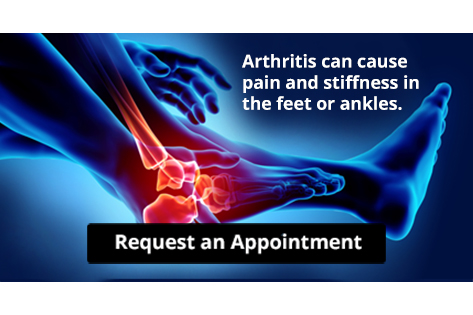
If you are suffering from tenderness, pain, or stiffness in the joints of your feet or ankles, call us to schedule an appointment.
Published in Blog
Tuesday, 10 October 2023 00:00
Heel Pain in Kids May Signal Sever’s Disease
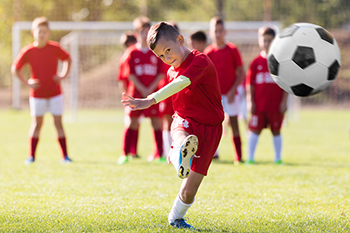
Heel pain in children should never be casually dismissed, as it could be a potential sign of a condition known as Sever's disease. It is common among active youngsters and adolescents, especially those involved in sports. Sever's disease, medically known as calcaneal apophysitis, involves the growth plate within the heel bone and typically emerges in children aged between 8 and 15 years old. Repeated stress placed on the heel due to activities such as running, jumping, and participation in various sports can trigger this ailment. It is characterized by irritation and inflammation in the heel that results in pain. If your child experiences such pain during or after physical activities, or if you observe them limping or favoring tiptoe walking, it may indicate Sever’s disease. Swelling and tenderness in the heel area may also accompany these symptoms. Treatment involves a combination of rest, gentle stretching exercises, and, in some cases, the use of orthotics or specialized shoe inserts. Ignoring heel pain in children can lead to more severe complications or long-term discomfort. For an evaluation, it is suggested that you make an appointment with a podiatrist.
Sever's disease often occurs in children and teens. If your child is experiencing foot or ankle pain, see Dr. Steven Schwartz from Pennsylvania. Our doctor can treat your child’s foot and ankle needs.
Sever’s Disease
Sever’s disease is also known as calcaneal apophysitis, which is a medical condition that causes heel pain I none or both feet. The disease is known to affect children between the ages of 8 and 14.
Sever’s disease occurs when part of the child’s heel known as the growth plate (calcaneal epiphysis) is attached to the Achilles tendon. This area can suffer injury when the muscles and tendons of the growing foot do not keep pace with bone growth. Therefore, the constant pain which one experiences at the back of the heel will make the child unable to put any weight on the heel. The child is then forced to walk on their toes.
Symptoms
Acute pain – Pain associated with Sever’s disease is usually felt in the heel when the child engages in physical activity such as walking, jumping and or running.
Highly active – Children who are very active are among the most susceptible in experiencing Sever’s disease, because of the stress and tension placed on their feet.
If you have any questions, please feel free to contact our offices located in Chambersburg, and Mcconnellsburg, PA . We offer the newest diagnostic and treatment technologies for all your foot and ankle injuries.
Published in Blog
Tuesday, 03 October 2023 00:00
Clubfoot Is a Congenital Foot Deformity
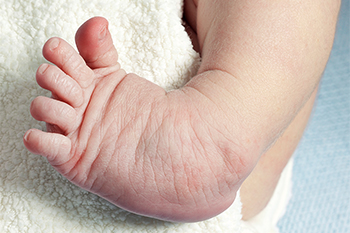
Clubfoot is a congenital foot deformity that affects thousands of newborns worldwide. This condition is characterized by an abnormal positioning of the foot, where it turns inward and downward, making it appear like the sole is turned upward. While the exact cause of clubfoot is still not entirely understood, it is believed to result from a combination of genetic and environmental factors during fetal development. Typically, clubfoot can be detected shortly after birth. Early diagnosis and intervention are essential for effective treatment. The goal of treatment is to correct the foot's positioning and allow for normal growth and development. This often involves a series of gentle manipulations, casting, and sometimes minor surgery. With early and appropriate medical care, most children born with clubfoot can lead normal, active lives. Regular follow-ups may be necessary to monitor the foot's growth and function, but the prognosis for those with clubfoot is generally positive. The key is prompt identification and intervention to ensure a healthy and active future for affected children. If your child has been born with clubfoot, it is strongly suggested that you are under the care of a podiatrist who can begin the necessary treatment methods.
Congenital foot problems require immediate attention to avoid future complications. If you have any concerns, contact Dr. Steven Schwartz of Pennsylvania. Our doctor can provide the care you need to keep you pain-free and on your feet.
Congenital foot problems are deformities affecting the feet, toes, and/or ankles that children are born with. Some of these conditions have a genetic cause while others just happen. Some specific foot ailments that children may be born with include clubfeet, polydactyly/macrodactyly, and cleft foot. There are several other foot anomalies that can occur congenitally. What all of these conditions have in common is that a child may experience difficulty walking or performing everyday activities, as well as trouble finding footwear that fits their foot deformity. Some of these conditions are more serious than others. Consulting with a podiatrist as early as possible will help in properly diagnosing a child’s foot condition while getting the necessary treatment underway.
What are Causes of Congenital Foot Problem?
A congenital foot problem is one that happens to a child at birth. These conditions can be caused by a genetic predisposition, developmental or positional abnormalities during gestation, or with no known cause.
What are Symptoms of Congenital Foot Problems?
Symptoms vary by the congenital condition. Symptoms may consist of the following:
- Clubfoot, where tendons are shortened, bones are shaped differently, and the Achilles tendon is tight, causing the foot to point in and down. It is also possible for the soles of the feet to face each other.
- Polydactyly, which usually consists of a nubbin or small lump of tissue without a bone, a toe that is partially formed but has no joints, or an extra toe.
- Vertical talus, where the talus bone forms in the wrong position causing other bones in the foot to line up improperly, the front of the foot to point up, and the bottom of the foot to stiffen, with no arch, and to curve out.
- Tarsal coalition, when there is an abnormal connection of two or more bones in the foot leading to severe, rigid flatfoot.
- Cleft foot, where there are missing toes, a V-shaped cleft, and other anatomical differences.
- Macrodactyly, when the toes are abnormally large due to overgrowth of the underlying bone or soft tissue.
Treatment and Prevention
While there is nothing one can do to prevent congenital foot problems, raising awareness and receiving neonatal screenings are important. Early detection by taking your child to a podiatrist leads to the best outcome possible.
If you have any questions please feel free to contact our offices located in Chambersburg, and Mcconnellsburg, PA . We offer the newest diagnostic tools and technology to treat your foot and ankle needs.
Published in Blog
Tuesday, 26 September 2023 00:00
Foot Exercises Can Improve Ballet Toe Point
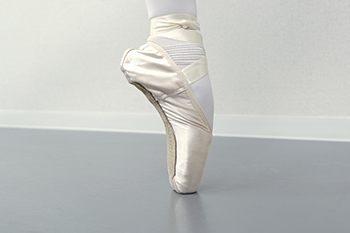
For ballet dancers, a beautifully pointed toe is not just an aesthetic requirement but also a symbol of strength and grace. Achieving a perfect pointe can be challenging, but with dedicated foot exercises, a dancer can enhance her toe point and elevate her dance performance. Begin with a simple flex and point exercise. This is done by sitting or standing with the legs extended. Slowly flex the feet, pulling the toes toward the shins, followed by pointing your toes as far as possible. Repeating this motion can help to improve flexibility and control. A resistance band flex consists of placing a resistance band around your foot and gently flex against the band's resistance. This exercise strengthens the muscles that control toe movement. An effective foot exercise is known as the marble stretch. By placing marbles on the floor and picking them up with your toes you can help to strengthen the intrinsic muscles of your feet. Additionally, writing the alphabet in the air using your big toe can be beneficial in improving toe dexterity and control. Consistent practice of these foot exercises will gradually improve your toe point and enhance performance. It is important to stretch and warm up before attempting these exercises to prevent injury. If you would like more information about how to improve your toe strength, it is suggested that you speak with a podiatrist.
Exercising your feet regularly with the proper foot wear is a great way to prevent injuries and build strength. If you have any concerns about your feet, contact Dr. Steven Schwartz from Pennsylvania. Our doctor can provide the care you need to keep you pain-free and on your feet.
Exercise for Your Feet
Exercise for your feet can help you gain strength, mobility and flexibility in your feet. They say that strengthening your feet can be just as rewarding as strengthening another part of the body. Your feet are very important, and we often forget about them in our daily tasks. But it is because of our feet that are we able to get going and do what we need to. For those of us fortunate enough to not have any foot problems, it is an important gesture to take care of them to ensure good health in the long run.
Some foot health exercises can include ankle pumps, tip-toeing, toe rises, lifting off the floor doing reps and sets, and flexing the toes. It is best to speak with Our doctor to determine an appropriate regimen for your needs. Everyone’s needs and bodies are different, and the activities required to maintain strength in the feet vary from individual to individual.
Once you get into a routine of doing regular exercise, you may notice a difference in your feet and how strong they may become.
If you have any questions please feel free to contact our offices located in Chambersburg, and Mcconnellsburg, PA . We offer the newest diagnostic and treatment technologies for all your foot and ankle needs.
Published in Blog
Tuesday, 19 September 2023 00:00
Charcot-Marie-Tooth Disease Impacts Functioning
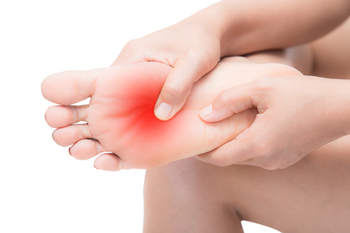
Charcot-Marie-Tooth Disease, or CMT, is a disorder of the peripheral nerves, responsible for transmitting information to and from the brain and spinal cord. CMT disrupts these nerves, leading to sensory loss and muscle deterioration. This results in symptoms like balance problems, foot abnormalities, pain, and difficulty walking. Charcot-Marie-Tooth Disease is a progressive condition, worsening over time, and affecting about 150,000 people in the United States and 3 million worldwide. It is important to understand the peripheral nervous system to comprehend CMT. The peripheral nervous system links the central nervous system to organs, limbs, and skin, enabling the transmission of information and regulating functions like heartbeat and breathing. Nerve signals are carried by axons covered with myelin, akin to electrical wires in a home. CMT can cause myelin decay, slowing nerve signals and affecting longer limbs first. If you are having peripheral nerve damage affecting your feet, it is suggested that you make an appointment with a podiatrist for a proper diagnosis and treatment that will provide you relief with everyday functioning.
Neuropathy
Neuropathy can be a potentially serious condition, especially if it is left undiagnosed. If you have any concerns that you may be experiencing nerve loss in your feet, consult with Dr. Steven Schwartz from Pennsylvania. Our doctor will assess your condition and provide you with quality foot and ankle treatment for neuropathy.
What Is Neuropathy?
Neuropathy is a condition that leads to damage to the nerves in the body. Peripheral neuropathy, or neuropathy that affects your peripheral nervous system, usually occurs in the feet. Neuropathy can be triggered by a number of different causes. Such causes include diabetes, infections, cancers, disorders, and toxic substances.
Symptoms of Neuropathy Include:
- Numbness
- Sensation loss
- Prickling and tingling sensations
- Throbbing, freezing, burning pains
- Muscle weakness
Those with diabetes are at serious risk due to being unable to feel an ulcer on their feet. Diabetics usually also suffer from poor blood circulation. This can lead to the wound not healing, infections occurring, and the limb may have to be amputated.
Treatment
To treat neuropathy in the foot, podiatrists will first diagnose the cause of the neuropathy. Figuring out the underlying cause of the neuropathy will allow the podiatrist to prescribe the best treatment, whether it be caused by diabetes, toxic substance exposure, infection, etc. If the nerve has not died, then it’s possible that sensation may be able to return to the foot.
Pain medication may be issued for pain. Electrical nerve stimulation can be used to stimulate nerves. If the neuropathy is caused from pressure on the nerves, then surgery may be necessary.
If you have any questions, please feel free to contact our offices located in Chambersburg, and Mcconnellsburg, PA . We offer the newest diagnostic and treatment technologies for all your foot care needs.
Published in Blog
Tuesday, 12 September 2023 00:00
Treatment Options for Flat Feet
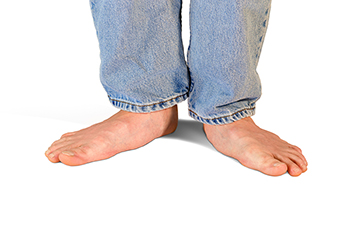
Flat feet is a condition where the arch of the foot is either too low or nonexistent. As a rule, flat feet are rarely considered to be medically serious. However, flat feet can sometimes lead to discomfort or complications, and some type of treatment may be necessary. If you are experiencing pain around the ankle or aching in the arch of the foot, it may be time to consider treatment. Additionally, if you notice that your shoes are wearing out quickly, it could be a sign that your flat feet are causing undue stress on your footwear. Non-surgical treatment includes changing footwear, investing in orthotic inserts for improved arch support, and performing certain exercises to improve the strength and flexibility of the foot muscles. These can potentially reduce pain and discomfort. Prescription painkillers may be recommended to manage pain and any stiffness associated with flat feet. When other treatments have failed or if there's a structural issue with the bones, tissues, or muscles in the feet, surgery may be considered as a last resort. For guidance about treatment options for flat feet, it is suggested that you consult a podiatrist.
Flatfoot is a condition many people suffer from. If you have flat feet, contact Dr. Steven Schwartz from Pennsylvania. Our doctor will treat your foot and ankle needs.
What Are Flat Feet?
Flatfoot is a condition in which the arch of the foot is depressed and the sole of the foot is almost completely in contact with the ground. About 20-30% of the population generally has flat feet because their arches never formed during growth.
Conditions & Problems:
Having flat feet makes it difficult to run or walk because of the stress placed on the ankles.
Alignment – The general alignment of your legs can be disrupted, because the ankles move inward which can cause major discomfort.
Knees – If you have complications with your knees, flat feet can be a contributor to arthritis in that area.
Symptoms
- Pain around the heel or arch area
- Trouble standing on the tip toe
- Swelling around the inside of the ankle
- Flat look to one or both feet
- Having your shoes feel uneven when worn
Treatment
If you are experiencing pain and stress on the foot you may weaken the posterior tibial tendon, which runs around the inside of the ankle.
If you have any questions please feel free to contact our offices located in Chambersburg, and Mcconnellsburg, PA . We offer the newest diagnostic and treatment technologies for all your foot and ankle needs.
Published in Blog
Sunday, 10 September 2023 00:00
Gout Pain Can Be Managed
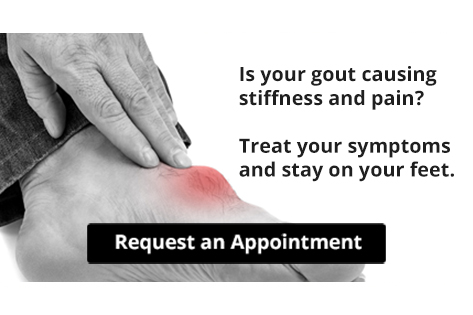
Gout is a painful, inflammatory form of arthritis. Those affected will typically feel an intense stiffness in the joints of their feet, particularly in the big toe. Schedule a visit to learn about how gout can be managed and treated.
Published in Blog
Tuesday, 05 September 2023 00:00
Dealing With Lisfranc Injuries
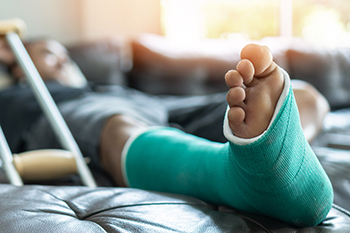
Lisfranc injuries, though rare, can have debilitating consequences if not properly managed. These acute and traumatic injuries affect the tarsometatarsal joints in the midfoot, ranging from mild sprains to severe dislocation fractures. These joints help to transfer force between the rearfoot and forefoot during walking. Recognizing Lisfranc injuries involves noting diffuse pain, swelling, and inability to bear weight around the midfoot. The pain peaks when the midfoot becomes a rigid lever for weight transfer. Dismissing these injuries as mere bruising can lead to complications like post-traumatic arthritis and chronic pain. Staying off the foot, stability, and strengthening can lead to recovery. Exercises and orthotics can also help. Treatment may include wearing a special boot and controlled weight bearing. Lisfranc injuries are complex but manageable. To regain proper mobility and prevent long-term complications from Lisfranc injuries in the foot, it is suggested that you visit a podiatrist for a diagnosis and treatment plan.
A broken foot requires immediate medical attention and treatment. If you need your feet checked, contact Dr. Steven Schwartz from Pennsylvania. Our doctor can provide the care you need to keep you pain-free and on your feet.
Broken Foot Causes, Symptoms, and Treatment
A broken foot is caused by one of the bones in the foot typically breaking when bended, crushed, or stretched beyond its natural capabilities. Usually the location of the fracture indicates how the break occurred, whether it was through an object, fall, or any other type of injury.
Common Symptoms of Broken Feet:
- Bruising
- Pain
- Redness
- Swelling
- Blue in color
- Numbness
- Cold
- Misshapen
- Cuts
- Deformities
Those that suspect they have a broken foot shoot seek urgent medical attention where a medical professional could diagnose the severity.
Treatment for broken bones varies depending on the cause, severity and location. Some will require the use of splints, casts or crutches while others could even involve surgery to repair the broken bones. Personal care includes the use of ice and keeping the foot stabilized and elevated.
If you have any questions please feel free to contact our offices located in Chambersburg, and Mcconnellsburg, PA . We offer the newest diagnostic and treatment technologies for all your foot and ankle needs.
Published in Blog
Tuesday, 29 August 2023 00:00
A Guide to Foot Care

Our feet are often overlooked, but they play a critical role in our health and mobility, carrying us around throughout our lives. As we age, foot problems can intensify, potentially affecting our ability to live independently. The foot is a marvel of engineering, with 26 small bones intricately connected by ligaments, muscles, tendons, and cartilage. These components work in harmony to provide support and mobility. Neglecting foot health can lead to backaches, leg cramps, foot problems, and fatigue. To keep your feet in good condition, inspect them daily, moisturize dry skin, wear well-fitting shoes, exercise regularly, maintain proper hygiene, and trim your nails carefully. If foot problems, including athlete’s foot, corns, calluses, or ingrown toenails arise, it is important to get early treatment to avoid complications. Practicing a good foot care routine can help maintain healthy feet and put your best foot forward in life. If you would like to learn more about taking care of your feet, or if you encounter foot issues, it is suggested that you make an appointment with a podiatrist for further information and care.
Everyday foot care is very important to prevent infection and other foot ailments. If you need your feet checked, contact Dr. Steven Schwartz from Pennsylvania. Our doctor can provide the care you need to keep you pain-free and on your feet.
Everyday Foot Care
Often, people take care of their bodies, face and hair more so than they do for their feet. But the feet are a very important aspect of our bodies, and one that we should pay more attention to. Without our feet, we would not be able to perform most daily tasks.
It is best to check your feet regularly to make sure there are no new bruises or cuts that you may not have noticed before. For dry feet, moisturizer can easily be a remedy and can be applied as often as necessary to the affected areas. Wearing shoes that fit well can also help you maintain good foot health, as well as making it easier to walk and do daily activities without the stress or pain of ill-fitting shoes, high heels, or even flip flops. Wearing clean socks with closed shoes is important to ensure that sweat and bacteria do not accumulate within the shoe. Clean socks help to prevent Athlete’s foot, fungi problems, bad odors, and can absorb sweat.
If you have any questions please feel free to contact our offices located in Chambersburg, and Mcconnellsburg, PA . We offer the newest diagnostic and treatment technologies for all your foot and ankle needs.
Published in Blog



 Steven Schwartz - Default