


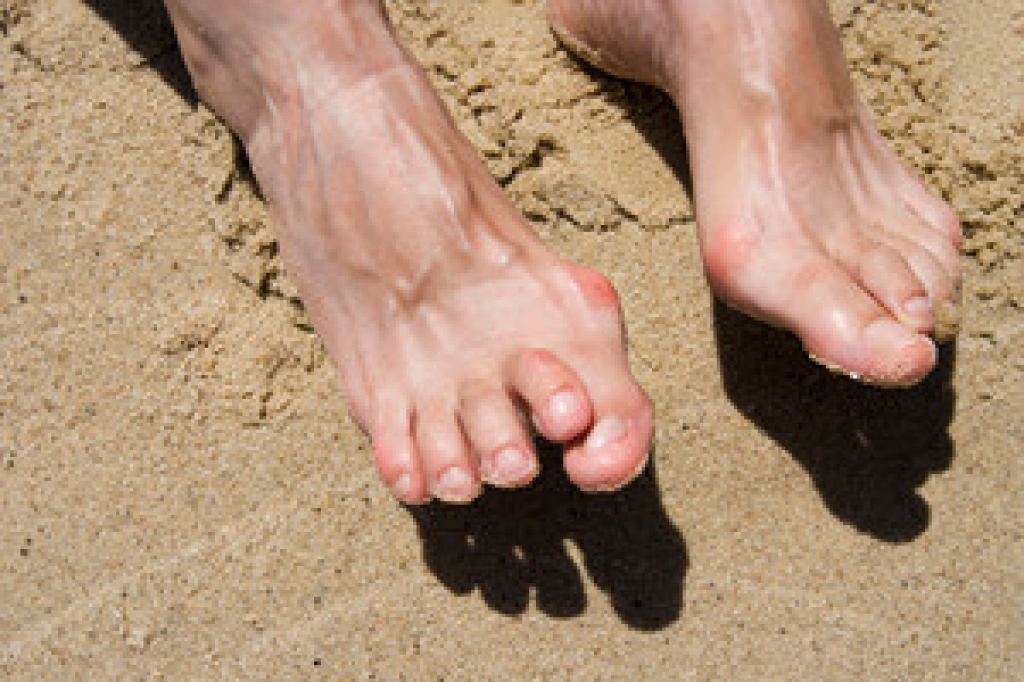
 If you have hammertoes, it may be due to a number of factors including improperly-fitting shoes or muscle and nerve diseases that can affect your feet. Hammertoes are described as bent and curled toes, seeming to resemble the claw of a hammer. The condition is permanent and may require treatment if pain progresses. Typical treatment includes wearing the proper footwear and physical therapy. A final option is surgery for severe cases, but consulting with your podiatrist first about your condition is recommended before deciding on the surgical option.
Hammertoe
Hammertoes can be a painful condition to live with. For more information, contact Dr. Steven Schwartz from Pennsylvania. Our doctor will answer any of your foot- and ankle-related questions.
Hammertoe is a foot deformity that affects the joints of the second, third, fourth, or fifth toes of your feet. It is a painful foot condition in which these toes curl and arch up, which can often lead to pain when wearing footwear.
Symptoms
- Pain in the affected toes
- Development of corns or calluses due to friction
- Inflammation
- Redness
- Contracture of the toes
Causes
Genetics – People who are genetically predisposed to hammertoe are often more susceptible
Arthritis – Because arthritis affects the joints in your toes, further deformities stemming from arthritis can occur
Trauma – Direct trauma to the toes could potentially lead to hammertoe
Ill-fitting shoes – Undue pressure on the front of the toes from ill-fitting shoes can potentially lead to the development of hammertoe
Treatment
Orthotics – Custom made inserts can be used to help relieve pressure placed on the toes and therefore relieve some of the pain associated with it
Medications – Oral medications such as anti-inflammatories or NSAIDs could be used to treat the pain and inflammation hammertoes causes. Injections of corticosteroids are also sometimes used
Surgery – In more severe cases where the hammertoes have become more rigid, foot surgery is a potential option
If you have any questions, please feel free to contact our offices located in Chambersburg, and Mcconnellsburg, PA . We offer the newest diagnostic and treatment technologies for all your foot care needs.